


Translate To

803.279.8400 Welcome!
Call Us
Schedule Service
Get Directions

Toyota Dashboard Warning Lights Explained

What That Dashboard Light Is Actually Telling You

A light blinks on. Maybe it has been there for a few days. Maybe it just appeared on Jefferson Davis Highway during your morning commute. Either way, your first instinct is probably the same: is this serious?

At Miracle Toyota of North Augusta, we get that question constantly. Drivers come to us from Augusta, Aiken, Evans, Martinez, and Grovetown with a warning light on and no idea what it means. Some of those lights need immediate attention. Others are just routine reminders. Knowing the difference can protect your safety and save you real money.

This guide covers the most common Toyota dashboard warning lights, what triggers them, and what to do next.

Start Here: The Toyota Color System

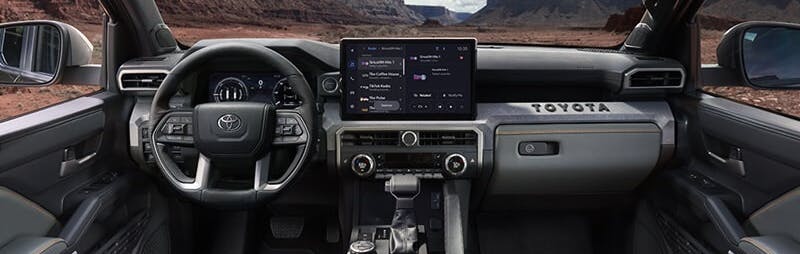
Toyota’s dashboard uses a color-coded system built around one idea: the color tells you how urgent the problem is. Think of it like a traffic light.

  • Red means stop. A red warning light signals a serious issue that could damage your vehicle or create a safety risk. Pull over when it is safe to do so and address it right away.
  • Yellow or amber means caution. Something needs attention soon. You can usually continue driving carefully, but you should schedule a Toyota service appointment before the issue gets worse.
  • Green or blue is informational. These lights confirm that a system is active and working as intended. No action required.

One more thing worth knowing: when you first start your Toyota, most warning lights will briefly come on together. That is a normal system self-check. The lights should clear within seconds. If any light stays on after that, pay attention.

Red Warning Lights: Do Not Ignore These

icon
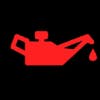
Low Engine Oil Pressure

This small red oil can icon is one of the most urgent lights on the dashboard. Low oil pressure can destroy an engine in minutes. If this light comes on while you are driving, pull over safely, shut off the engine, and call us at (803) 279-8400. Do not drive another mile hoping it clears on its own.

icon
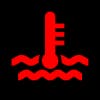
Engine Coolant Temperature (Overheating)

A red thermometer with wavy lines means your engine is running dangerously hot. Pull over, turn off the vehicle, and let it cool down completely before you open the hood. Driving through an overheating condition risks severe, and expensive, engine damage.

icon
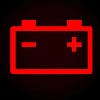
Battery and Charging System Warning

This light looks like a small car battery with plus and minus symbols. It means the charging system has a problem, whether that is a failing alternator, a weak battery, or a wiring issue. You may notice dim or flickering headlights beforehand. Once this light activates, your vehicle could stop running without much warning.

icon
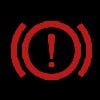
Brake System Warning

A red exclamation point inside a circle can indicate low brake fluid or a brake system malfunction. It also activates when your parking brake is still engaged. Release the parking brake first. If the light stays on after that, schedule a brake inspection at our Beech Island service center right away. Your brakes are not something to gamble with on I-20 or crossing the Savannah River into Augusta.

Yellow Warning Lights: Schedule Service Soon

icon
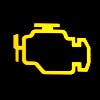
Check Engine Light

Few dashboard lights create more anxiety than the check engine light. It can mean something as minor as a loose gas cap or something more significant, like a failing catalytic converter, worn spark plugs, or a faulty oxygen sensor.

A steady yellow light is generally not an emergency, but it still needs a proper diagnosis. A flashing check engine light is more urgent. If yours is flashing, ease off the throttle and bring it in quickly. Our Toyota-certified technicians use manufacturer-approved diagnostic tools to read the exact fault codes and get to the bottom of it.

icon
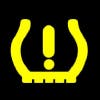
Tire Pressure Warning Light (TPMS)

Your Toyota tracks tire pressure across all four wheels. When one or more tires drop below the recommended level, this light activates. It does not always mean a flat. Tires lose pressure naturally in cold weather, and the CSRA’s temperature swings from December through March catch a lot of drivers off guard.

Proper tire inflation protects your fuel economy, handling, and tread life. If the TPMS light blinks for about a minute and then stays solid, that usually points to a sensor issue rather than a pressure problem. Either way, our service team can check it quickly.

icon
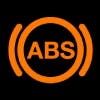
ABS Warning Light

ABS stands for Anti-lock Braking System. When this light appears, the anti-lock function may not be working correctly. Your standard brakes will likely still engage, but without ABS, wheels can lock up during a hard stop and steering control gets much harder. Get it checked soon.

icon
Electronic Power Steering (EPS) Warning

A steering wheel icon with an exclamation point next to it signals a fault in the power steering system. You may feel heavier steering or a slight pull. This is one yellow light that deserves quick attention. A sudden loss of steering assist at highway speeds is a serious safety concern, especially for families driving between Grovetown and North Augusta on busy corridors.

icon
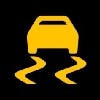
Vehicle Stability Control (VSC) Warning

VSC keeps your Toyota stable during sharp turns and slick road conditions. A brief flash during a hard turn is normal. If it stays on, or appears alongside the check engine light, bring it in for a look.

Lower-Urgency Yellow Lights Worth Knowing

icon
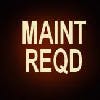
Maintenance Required Light

This light appears roughly every 5,000 miles as a scheduled reminder, typically for an oil change and tire rotation. It is not the same as the check engine light. Staying current on routine Toyota maintenance is one of the best things you can do to protect your vehicle’s long-term reliability and resale value. Once we complete your scheduled service at our North Augusta Toyota service center, we reset it for you.

icon
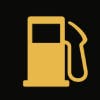
Low Fuel Warning

The low fuel light activates when approximately 2.9 gallons remain. Many current models also display an estimated range. Refuel soon. Running the tank completely dry repeatedly can wear your fuel pump down faster than normal.

icon
SRS Airbag System Warning

An airbag icon that stays lit after startup points to a potential problem with the Supplemental Restraint System, which includes your airbags, seatbelt pretensioners, and front passenger occupant classification system. Schedule an inspection. These systems need to work correctly every single time.

Green and Blue Lights: All Clear

Light Color What It Means
High Beam Indicator Blue Brights are on; dim for oncoming traffic
Cruise Control Green System is set and active
Eco Driving Indicator Green You are driving in a fuel-efficient range
Turn Signal Green Blinker is engaged
Door Ajar Varies A door or trunk is not fully closed

These lights are purely informational. Nothing to fix.

Toyota Reliability Starts With Paying Attention

Toyota engineers its vehicles to last. Tacomas hauling gear to Clarks Hill Lake. RAV4s handling school runs in Evans and daily commutes into Augusta. Camrys logging miles on I-20 without skipping a beat. That kind of long-term dependability comes from staying on top of what your vehicle is telling you.

Catching a small issue early, like low oil pressure or a TPMS sensor fault, almost always costs far less than the repair that follows from ignoring it. Our certified technicians at Miracle Toyota of North Augusta are here to help you stay ahead of problems.

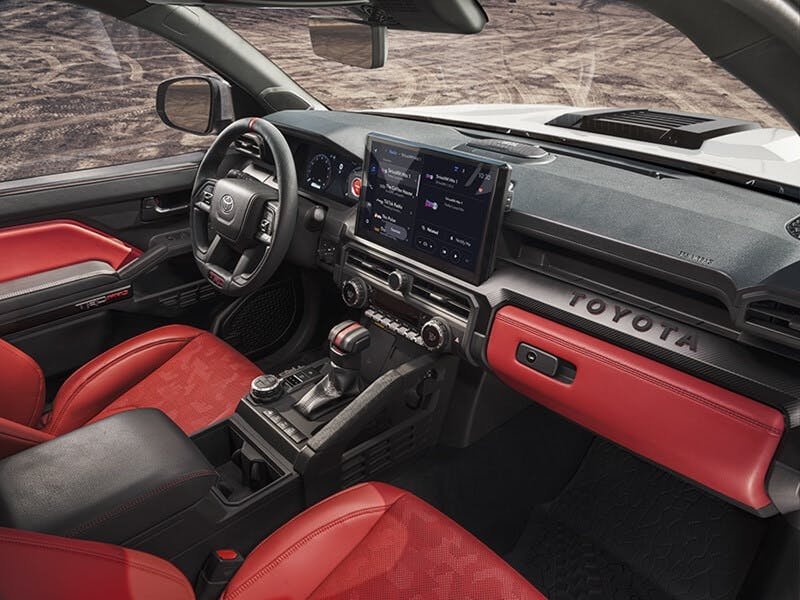
Dashboard Warning Light

Your Trusted Toyota Service Center in Beech Island, SC

We serve drivers throughout the greater Augusta metro and CSRA region. Our service center at 5512 Jefferson Davis Highway in Beech Island is convenient to North Augusta, Augusta, Aiken, Evans, Martinez, and Grovetown.

Our team is factory-trained on Toyota vehicles and uses manufacturer-approved diagnostic equipment to pinpoint fault codes accurately and get you back on the road fast.

See a warning light you do not recognize? Call us at (803) 279-8400 or schedule your Toyota service appointment online. We are ready to help.